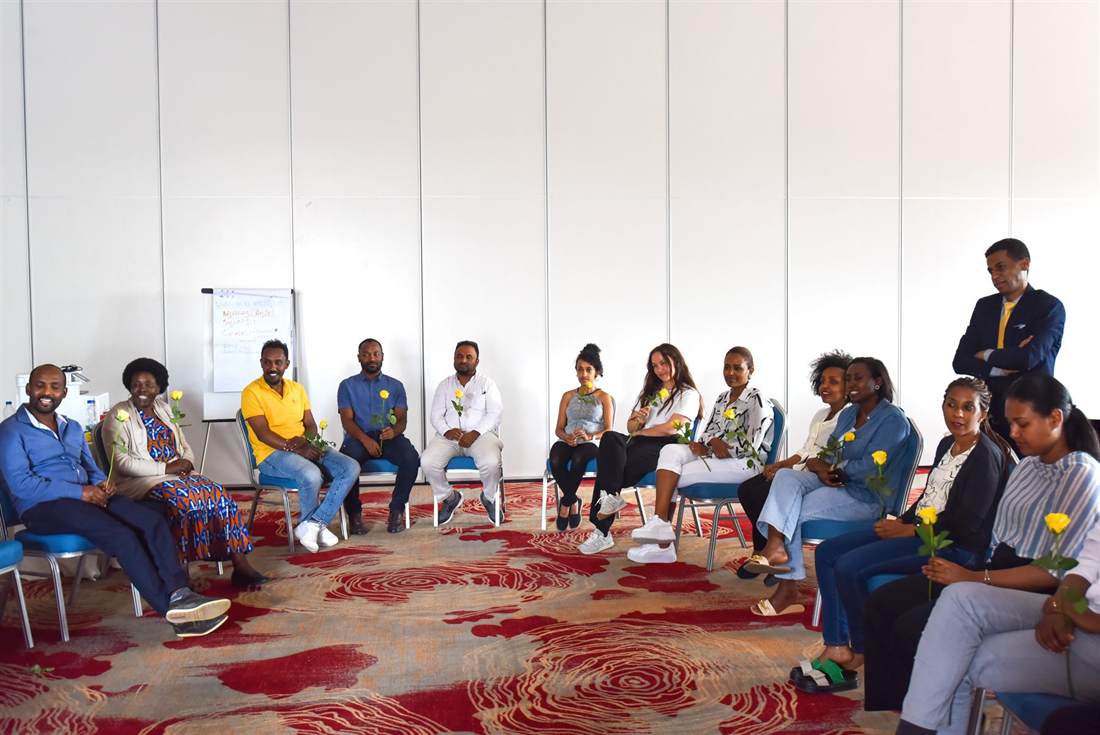
Retreat time should feel different because it works differently
Leadership retreats often begin with good intentions: step back, reflect, reconnect, and plan. But without careful design, they become a sequence of speeches, updates, and long presentations. People listen politely, but the deeper work remains untouched.
A strong retreat creates the conditions for a leadership team to think together. It gives people space to name what is working, what is stuck, what needs a decision, and what must be done differently after the retreat.
Alignment is not automatic
Teams can share the same strategy document and still understand priorities differently. They can sit in the same office and still hold different assumptions about roles, risks, or next steps.
Retreat facilitation helps make those assumptions visible. Through structured exercises, group discussion, prioritization, and action planning, the team can move from broad agreement to practical alignment.
Good retreat design balances energy and seriousness
Retreats need more than icebreakers, but they also need more than formal discussion. The best design balances reflection, participation, trust-building, problem solving, and planning.
- Use energizers to reset attention, not to fill time.
- Use small groups to help quieter voices contribute.
- Use guided reflection to connect personal insight with team priorities.
- Use action planning to turn the day into commitments.
This balance is especially important for diverse teams, large teams, and teams working under pressure.
The facilitator protects the quality of the conversation
In a retreat, the facilitator holds the process so the team can focus on the content. That includes managing time, reading the room, handling sensitive moments, helping participants listen to each other, and bringing the conversation back to purpose.
External facilitation also helps leaders participate without having to control every part of the day. That can make the conversation more open and more productive.
Action planning should be built in from the start
If action planning is left to the final fifteen minutes, it becomes rushed and generic. A better approach is to gather action points throughout the retreat, test them with the group, assign ownership, and document them clearly.
The final retreat report should not simply say what happened. It should help the team remember what they agreed, what they still need to resolve, and what happens next.
When to bring in retreat support
Changing Images is best suited for retreats where the team needs more than venue coordination. The work is strongest when the retreat must produce communication, alignment, trust, and a practical follow-up plan.
- Leadership and management retreats
- Program or country-office planning retreats
- Team building for newly formed or changing teams
- Retreats after difficult periods or major transitions
When designed well, a retreat is not a break from work. It is the moment a team improves how the work will happen.